










The shortlist for the 2026 edition of the Convenience Awards has now been unveiled, shining a spotlight on the most innovative, community‑oriented and high‑performing stores, teams and individuals within the UK convenience retail sector. Organised by leading trade titles Convenience Store and The Grocer alongside research firm Lumina Intelligence, the awards ceremony will take place on Wednesday 11 March 2026, at the Rum Warehouse in the Titanic Hotel, Liverpool.
Below we explore the key categories, their finalists and what the shortlists reveal about the evolving convenience‑store landscape.
What Categories Are Being Recognised and Why They Matter
The Convenience Awards 2026 shortlist reflects a deliberately broad and strategic set of categories, each designed to recognise a different facet of modern convenience retailing. Here’s a deeper look at what’s being awarded, why these categories are important, and what they signal about trends in the sector.
- Small Convenience Store of the Year
- This category is for stores smaller than 1,500 sq ft of selling space, regardless of the brand or ownership.
- Why it matters: These micro- or “corner shop” formats are the heart of community retail. Recognising them underscores that size doesn’t limit impact, small stores often offer personal service, convenience, and a strong local presence.
- Large Convenience Store of the Year
- Open to stores larger than 3,000 sq ft of selling space, again irrespective of brand or ownership.
- Why it matters: Large convenience stores, such as city-centre outlets, service stations, or multi-department formats, must balance scale with operational efficiency. This award spotlights retailers that can deliver a compelling offer while handling the complexity of a bigger footprint.
- Multiple Managed Convenience Store of the Year
- Aimed at sites that are part of a chain of 10+ stores or franchise operations. Size criteria are around 1,500–3,000 sq ft.
- Why it matters: Managing multiple stores presents unique challenges, consistency of operations, maintaining quality across the network, scaling local insight. This category rewards groups that are doing this well.
- Independent Convenience Store of the Year
- Celebrates a single store or group of up to nine stores under the same ownership, trading under a symbol or independent brand, with size roughly 1,500–3,000 sq ft.
- Why it matters: Independent retailers often have greater flexibility to innovate, respond to local needs, and inject personality into their stores. This category acknowledges independent operators who punch above their weight.
- Food to Go Store of the Year
- Focused on convenience stores that have strong food-to-go offers, sandwiches, hot food, impulse items, drinks, catering to all day parts (breakfast, lunch, dinner, snacks).
- Why it matters: The food-to-go segment is one of the fastest‑growing and most profitable parts of the convenience sector. Recognising excellence here highlights how stores are innovating to meet customers’ changing lunchtime and snacking habits, and driving footfall.
- New Store of the Year
- Open to stores that have opened from scratch between May 2024 and May 2025. Anyone can apply, regardless of size or ownership structure.
- Why it matters: This award rewards entrepreneurial spirit and fresh thinking. New stores are often designed with modern customer experience, sustainability, and efficiency in mind, and recognising them encourages continued investment and innovation in the sector.
- Refit of the Year
- Targets stores that have undergone significant remodelling between May 2024 and May 2025, any size or type of ownership is eligible.
- Why it matters: Refurbs matter. They can dramatically improve customer experience, operational efficiency, and the store’s environmental footprint. Celebrating refits highlights retailers’ commitment to reinvestment and long-term relevance.
- Rising Star of the Year
- For individuals who have either opened their first store or become a manager between May 2022 and May 2025. Judges evaluate not just sales metrics, but also customer engagement and innovation.
- Why it matters: This award recognises future leaders. It encourages fresh talent in the industry, people who are not just managing but thinking differently and driving change.
- Store Team of the Year (New for 2026)
- This is a brand-new category. It celebrates teams that “go the extra mile,” working hard in day-to-day operations, showing resilience, and helping their local communities.
- Why it matters: The majority of convenience retail success is driven by store-level teams. This award makes explicit how critical teamwork, leadership, and shared effort are for delivering consistently great customer experiences.
- Sales Colleague of the Year
- Recognises individual colleague contributions: people who not only sell, but also support community causes, fundraise, or propose business ideas.
- Why it matters: It’s a nod to the human face of retail. These nominees may not be managers, but they make a big difference in store culture, customer loyalty, and community impact.
- Community Retailer of the Year
- For retailers who actively invest in their local area, using their business resources to support community projects or help people in need.
- Why it matters: Convenience stores are often community pillars. This category celebrates the social responsibility and heart of retail, not just profitability but real, on‑the‑ground commitment.
- Community Initiative of the Year
- Recognises a specific idea or initiative launched by a retailer or store team that has had a meaningful impact on their local community.
- Why it matters: This isn’t just about being “nice” it’s about innovation and action. Initiatives could range from outreach programmes, sustainability projects, charitable partnerships, or anything that tangibly benefits people.
- Retailers’ Retailer of the Year
- Voted by other retailers, both online and on the night of the awards. It honours those in the sector who are seen as role models or leaders.
- Why it matters: Peer recognition carries weight. It’s not just about performance, it’s about influence, mentorship, and setting a positive example in the industry.
- Outstanding Contribution to Convenience
- Awarded to someone who has made a significant, sector-wide impact over the past year. The winner is announced at the ceremony.
- Why it matters: This is the lifetime / impact award. It acknowledges figures whose work, whether in advocacy, innovation, leadership, or social good, elevates the entire convenience retail community.
- Convenience Retailer of the Year
- This is a “champion of champions” award: the winners of Small, Large, Multiple Managed, and Independent Convenience Store categories are eligible.
- Why it matters: It’s not just about doing well in one size category, this honours the single retailer (or retailer group) that stands out across the full spectrum.
- Research / Sentiment‑Based Categories
- Based on research or votes, not purely operational entries. These include: Britain’s Favourite Managed Convenience Group, Britain’s Favourite Convenience Symbol Group, Britain’s Favourite Convenience Store Group, and Retailers’ Favourite Symbol Group.
- Why it matters: These categories reflect the voice of the market, both consumers and fellow retailers. They help capture sentiment, loyalty, and brand strength beyond just financial or operational performance.
What This Shortlist Tells Us
The 2026 shortlist offers several insights that reflect broader trends in the convenience‑store sector:
- Community focus remains paramount. Multiple categories focus on community contributions, particularly the “Community Retailer”, “Community Initiative” and “Team” awards, recognising that local engagement is now intrinsic to success.
- Format diversity is strong. Stores of all sizes, from small village shops to large service‑station drives, are represented, underscoring that excellence isn’t confined to one store type.
- Food‑to‑go and refits continue to matter. The “Food to Go” and “Refit” categories highlight the importance of modernising stores and recognising the appetite for ready‑to‑eat offers.
- Recognition of people and teams. Introducing “Store Team of the Year” and awards like “Sales Colleague of the Year” emphasises that the human element, front‑line service, teamwork, staff development, is integral.
- Peer and consumer sentiment now matter. The inclusion of research‑based awards (via Lumina Intelligence) signals that both what consumers think and what retailers believe about each other are increasingly important.
- Innovation & Growth: The “Rising Star” and “New Store” categories reward innovation, not just heritage. Retailers who are young or new are encouraged to think creatively.
What’s Next
The spotlight now turns to the winners, who will be announced at the awards ceremony on 11 March 2026 at the Titanic Hotel in Liverpool. For shortlisted stores and teams, simply being a finalist provides national recognition and a benchmark against peers, showcasing operational excellence, innovation, and community commitment.
The ceremony itself will be more than just an awards night. It will offer an opportunity for networking, knowledge sharing, and celebrating best practice across the sector. Retailers, suppliers, and industry stakeholders alike will gain insights into emerging trends, innovative approaches, and the strategies that are driving success in the modern convenience retail landscape.
For entrants, the process of preparing submissions is valuable in itself, helping refine business practices, motivate teams, and highlight achievements. Being recognised, whether as a winner or finalist, signals to customers, partners, and the wider industry that the business is performing at a high standard and committed to continual improvement.
Why Entering Matters
Participation in the Convenience Awards offers more than trophies. According to past winners, the process itself helps refine business practices, boost team morale and signal excellence.
For example:
“It’s an honour to be recognised but also a great way to benchmark your business to ensure we are following best practices.” — Priyesh Vekaria, One Stop – Carlton Convenience
By entering, retailers demonstrate to their teams, customers and industry that they aim for, and deliver excellence.
How MPOS Supports Innovation and Efficiency in Convenience Retail
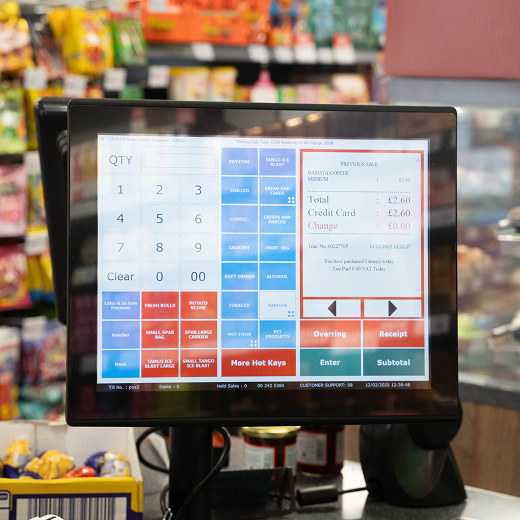
As the convenience retail sector continues to evolve, technology is becoming more central than ever, not just for transactions, but for inventory, analytics, loss prevention and store‑management. A standout in this space is MPOS, the EPOS platform developed by MHouse Business Solutions Ltd.
What Is MPOS?
- Built by Retailers, for Retailers: MHouse was founded by convenience‑store operators, and its MPOS software reflects first‑hand experience of running stores.
- Established & Trusted: The system is used by over 1,500 retailers across the UK, running thousands of tills.
- Extensive Retail Experience: The company brings more than 40 years of combined retail experience to its product development.
Key Features & Capabilities
MPOS is not just a cash register, it offers a fully integrated suite of tools specifically tailored to the needs of convenience stores:
- Real-time Stock Control & Inventory Management: Helps retailers track inventory precisely, including by scanning, updating, and reconciling stock.
- Automated Purchase Orders: The system can generate purchase orders based on real-time stock data, helping reduce manual admin.
- Major Wholesaler Integration: MPOS supports data links with all key wholesalers (e.g., Spar, Nisa, Costcutter), enabling automatic invoice downloads, promotion updates, and better purchasing decisions.
- Advanced Reporting & Analytics: Detailed sales, customer and stock reports help retailers make smarter decisions, optimise pricing, and identify upsell opportunities.
- Multi-site Management: For retailers operating more than one store, MPOS offers single‑screen oversight and coordination of multiple locations.
- Hardware Ecosystem:
- MPOS Till: Full checkout terminal with cash drawer, scanner, card terminal, and optional customer-facing screen.
- Handheld Terminal (HHT): A mobile, back‑of-store device for stock‑taking, goods receiving and in‑store management from the shop floor.
- Self‑Service Kiosks: Allows customers to scan and pay themselves, improving checkout efficiency.
- Electronic Shelf‑Edge Labels (ESELs): These update dynamically, for example, when pricing changes or promotions go live.
Innovation & Security
- AI‑Powered Capabilities: MHouse offers an AI add‑on (MPOS AI) that leverages computer vision to monitor stock on shelves, detect shrinkage, track discrepancies and flag potential theft. This brings proactive loss prevention without heavy manual oversight.
- User Permissions & Security: The system supports granular user roles and permissions, helping secure operations and protect sensitive data.
- Cloud & Mobile‑Friendly Options: With its 2025 rebrand, MHouse launched MPOS Air, a cloud‑based, hardware‑free POS version that works on mobile devices, giving retailers greater flexibility.
Cost Efficiency & Business Impact
- MHouse claims that MPOS can help a convenience store earn up to £23,000 more per year, based on typical store turnover.
- By reducing manual tasks (e.g., order creation, stock updates), MPOS frees up time for store managers to focus on more strategic or customer-facing activities.
- Their UK‑based support team provides strong back‑end service, with overlap in working hours to ensure minimum downtime.
Integration & Partnerships
- MHouse has partnered with Snappy Shopper, enabling direct order integration: when a customer places an order via Snappy, it can be sent straight into the MPOS system for fulfilment.
- The system is also MTD‑compatible, helping stores manage tax filing digitally.
Why MPOS Matters in the Context of the Convenience Awards
- Operational Efficiency: For convenience stores focused on tight margins and fast service, MPOS offers a backend that boosts efficiency, reduces shrinkage and supports smarter purchasing.
- Innovation & Growth: As award finalists lean into food-to-go, refits, and new‑store formats, having an advanced EPOS like MPOS helps retailers respond quickly and scale effectively.
- Team Empowerment: With tools like HHT and real‑time analytics, store managers and teams can operate more proactively. This aligns with awards that celebrate people and teams , such as Rising Star or Store Team of the Year.
- Community & Loss Prevention: Through AI‑driven loss detection and smart inventory, MPOS can help retailers maintain profitability while also reinvesting savings into community initiatives, potentially strengthening entries in Community Retailer or Initiative categories.
Conclusion
The Convenience Awards 2026 shortlist offers a comprehensive snapshot of the UK convenience retail sector today. From community-focused independents to high-performing large-format chains, from emerging talent to award-winning teams, the finalists demonstrate innovation, resilience, and excellence at every level.
As the sector evolves, embracing digital enhancements, expanding food-to-go offers, modernising through refits, and deepening community engagement, these finalists set the benchmark for others to follow.
While the winners will take centre stage on the night, all shortlisted stores, teams, and individuals have already demonstrated their commitment to outstanding service, innovation, and local impact. The awards reaffirm that success in convenience retail is measured not just by sales, but by vision, culture, and the ability to make a difference in communities.
On 11 March, the sector will celebrate these achievements, honour excellence, and set the standard for convenience retail in 2026.