








Convenience Store Trends for 2026
The convenience store sector continues to evolve as customer expectations, technology, and economic conditions reshape the retail landscape. For UK convenience store owners, staying ahead of industry trends is no longer optional. It is essential for maintaining profitability, attracting customers, and competing with larger retailers.
Consumers expect faster service, better product selection, flexible payment options, and a more personalised shopping experience. At the same time, retailers are facing rising operating costs, workforce challenges, and increasing pressure to improve efficiency.
Understanding the latest convenience store trends for 2026 can help store owners make smarter business decisions, improve customer satisfaction, and identify new growth opportunities.
Why Following Retail Trends Matters
Retail trends influence everything from purchasing behaviour and product demand to store operations and marketing strategies.
Businesses that adapt quickly often experience:
Higher customer retention
Increased sales revenue
Better operational efficiency
Improved inventory management
Stronger competitive positioning
Convenience stores that ignore market changes risk losing customers to competitors that offer a more modern and efficient shopping experience.
Technology Continues to Transform Convenience Stores
Technology remains one of the most significant drivers of change in the convenience retail sector.
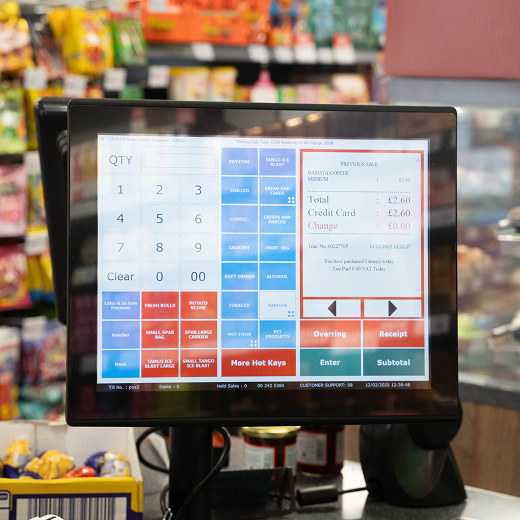
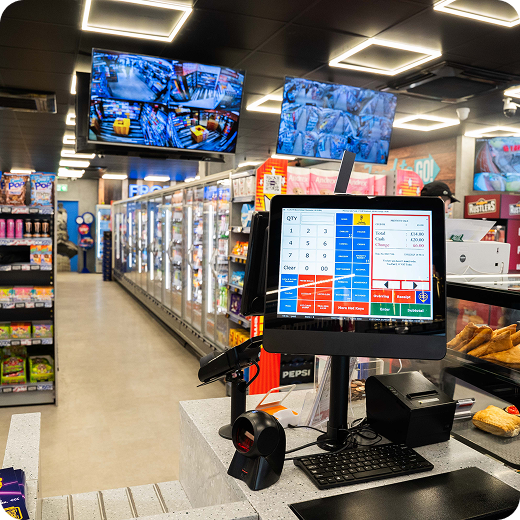
Cloud-Based EPOS Systems Become the Standard
Modern retailers need access to accurate business data at all times.
Cloud-based EPOS systems provide:
Real-time sales reporting
Inventory tracking
Customer insights
Multi-store management
Remote access to business performance data
Store owners can monitor operations from anywhere and make informed decisions based on live information rather than outdated reports.
Real-Time Reporting Gains Importance
Retailers increasingly rely on real-time reporting to identify opportunities and resolve issues quickly.
Benefits include:
Faster inventory decisions
Improved stock replenishment
Better promotional planning
Enhanced profitability tracking
Reduced operational inefficiencies
Instead of waiting until the end of the week or month, store managers can respond immediately to changes in customer demand.
Contactless and Digital Payments Continue to Grow
Consumers increasingly prefer cashless transactions.
Popular payment options now include:
Contactless debit and credit cards
Mobile wallets
Digital payment apps
QR code payments
Providing multiple payment options helps improve customer convenience and reduce checkout times.
Self-Service Technology Expands
Many retailers are exploring self-service solutions to improve efficiency and address labour challenges.
Examples include:
Self-checkout terminals
Digital ordering kiosks
Automated payment systems
These technologies can reduce queue times while allowing staff to focus on customer service and store operations.
Consumer Behaviour Is Changing
Understanding customer preferences is critical for long-term success.
Demand for Convenience Continues to Rise
Modern consumers value speed and accessibility.
They increasingly seek:
Quick shopping trips
Grab-and-go meals
Ready-to-eat products
Fast checkout experiences
Convenience stores that simplify the shopping experience are more likely to attract repeat customers.
Health-Conscious Shopping Increases
Consumers are becoming more selective about the products they purchase.
Growing categories include:
High-protein snacks
Sugar-free beverages
Organic products
Plant-based alternatives
Functional foods
Retailers should review product assortments regularly to align with changing consumer preferences.
Customers Expect Personalised Experiences
Generic promotions are becoming less effective.
Many successful retailers now use customer data to create:
Personalised offers
Loyalty rewards
Targeted promotions
Product recommendations
Personalisation can increase customer engagement and improve retention rates.
Sustainability Remains a Key Trend
Sustainability continues to influence purchasing decisions across all age groups.
Eco-Friendly Packaging Gains Popularity
Consumers increasingly prefer products that use sustainable packaging materials.
Retailers can support this trend by:
Stocking environmentally responsible brands
Reducing plastic usage
Promoting recyclable packaging
Reducing Food Waste Becomes a Priority
Food waste remains a major challenge for convenience retailers.
Strategies for reducing waste include:
Better inventory forecasting
Dynamic pricing for short-dated products
Improved stock rotation procedures
Real-time inventory management
Reducing waste not only supports sustainability goals but also improves profitability.
Energy Efficiency Helps Control Costs
Rising energy prices have encouraged many retailers to invest in energy-efficient solutions.
Popular upgrades include:
LED lighting
Energy-efficient refrigeration
Smart energy monitoring systems
Motion-sensor lighting
These investments can reduce long-term operating expenses.
Product Trends Shaping Convenience Retail
Product demand continues to evolve as consumer lifestyles change.
Ready-to-Eat Meals Drive Growth
Many consumers now view convenience stores as a quick meal solution rather than simply a place to buy snacks.
Popular categories include:
Fresh sandwiches
Prepared salads
Hot food options
Meal deals
Protein-rich snacks
Stores that expand their food-to-go offerings may benefit from increased basket values.
Premium Products Continue to Grow
Consumers are increasingly willing to pay more for quality products.
Growth areas include:
Premium coffee
Artisan bakery items
Specialty beverages
Premium confectionery
Locally sourced products
Premium categories often deliver stronger profit margins.
Local Products Attract Customers
Many shoppers prefer supporting local businesses and producers.
Stocking locally sourced products can help:
Differentiate the store
Strengthen community relationships
Improve customer loyalty
Create unique selling points
Loyalty Programs Become More Valuable
Customer acquisition costs continue to rise, making retention more important than ever.
Digital Loyalty Programs Gain Momentum
Traditional paper loyalty cards are gradually being replaced by digital solutions.
Benefits include:
Easier customer participation
Better data collection
Automated rewards
Personalised offers
Digital loyalty programs provide valuable insights into purchasing behaviour and customer preferences.
Data-Driven Marketing Delivers Better Results
Retailers can use loyalty program data to:
Segment customers
Create targeted campaigns
Identify purchasing trends
Increase repeat visits
This approach often generates higher returns than broad promotional campaigns.
Delivery and Click-and-Collect Continue to Expand
Convenience is becoming increasingly important for consumers.
Many retailers are expanding services such as:
Home delivery
Same-day delivery
Click-and-collect
Online ordering
These services create additional revenue opportunities while improving customer convenience.
Automation Improves Retail Efficiency
Retailers are looking for ways to reduce manual tasks and improve productivity.
Automated Inventory Management
Automation helps retailers:
Monitor stock levels
Generate purchase orders
Reduce stock shortages
Improve inventory accuracy
Automated Reporting
Business reporting tools now generate insights automatically, reducing administrative workload and helping managers focus on growth initiatives.
Workforce Optimisation
Modern systems help managers schedule staff more effectively based on:
Sales trends
Customer traffic
Peak trading periods
This helps improve productivity while controlling labour costs.
How UK Convenience Stores Can Prepare for 2026
To remain competitive, convenience store owners should focus on:
Investing in Modern Retail Technology
Technology provides the foundation for better decision-making and operational efficiency.
Using Data to Guide Decisions
Real-time reporting and analytics help identify opportunities and challenges before they impact profitability.
Reviewing Product Assortments Regularly
Consumer preferences change quickly. Stores should continuously evaluate product performance and adapt accordingly.
Strengthening Customer Loyalty
Building long-term customer relationships is often more profitable than constantly acquiring new customers.
Improving Operational Efficiency
Automating routine processes can help reduce costs while improving service quality.
Frequently Asked Questions
What are the biggest convenience store trends for 2026?
Technology adoption, real-time reporting, sustainability initiatives, digital loyalty programs, contactless payments, and ready-to-eat food categories are among the biggest trends shaping convenience retail in 2026.
Why is real-time reporting important for convenience stores?
Real-time reporting provides immediate insights into sales, inventory, and store performance, helping retailers make faster and more informed decisions.
How can convenience stores improve customer loyalty?
Retailers can improve loyalty through personalised offers, rewards programs, excellent customer service, and consistent product availability.
What technology should convenience stores invest in during 2026?
Cloud-based EPOS systems, inventory management software, retail analytics platforms, digital loyalty solutions, and contactless payment systems are among the most valuable investments.
Are sustainability initiatives important for convenience stores?
Yes. Many consumers actively seek environmentally responsible retailers. Sustainability efforts can improve brand perception, reduce waste, and lower operating costs.
Final Thoughts
The convenience store industry is entering a new phase driven by technology, changing consumer expectations, and operational efficiency. Retailers that embrace innovation, leverage data, and adapt to emerging trends will be better positioned for long-term growth.
By understanding these convenience store trends for 2026, UK store owners can make smarter decisions, improve customer satisfaction, and build a more resilient retail business.